What Hotel Websites Need to Do Beyond Looking Nice
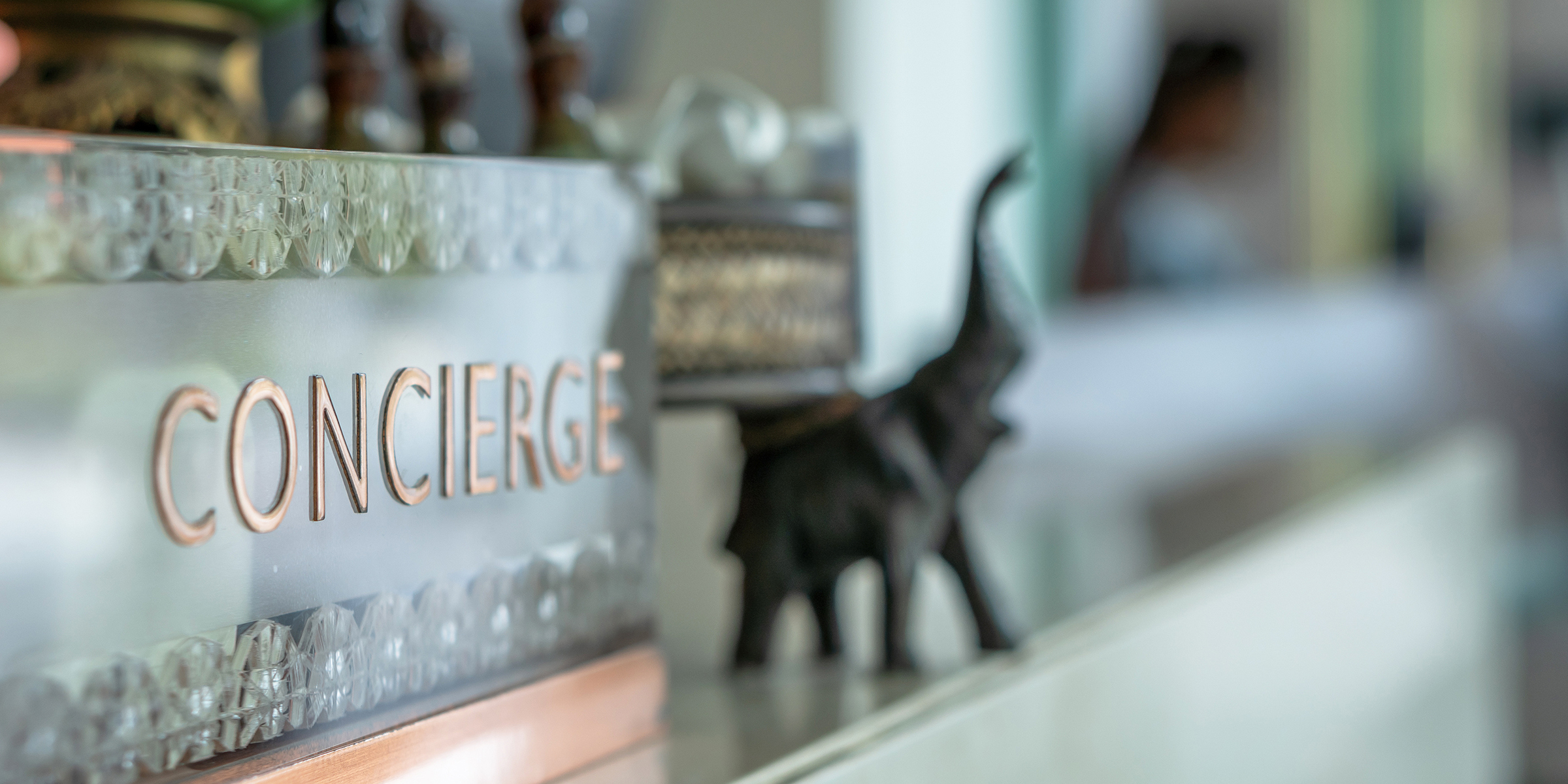

Designing a hotel website involves more than just simple advertisements. Your marketing has to garner a user’s attention starting from the first page. A good design keeps them engaged and interested while not sacrificing performance. As you brainstorm ideas, ask yourself: does it feel welcoming to new clients? Is it easy to navigate? What will attract more guests? There are critical aspects to consider as you get started.
Large Focus on Imagery
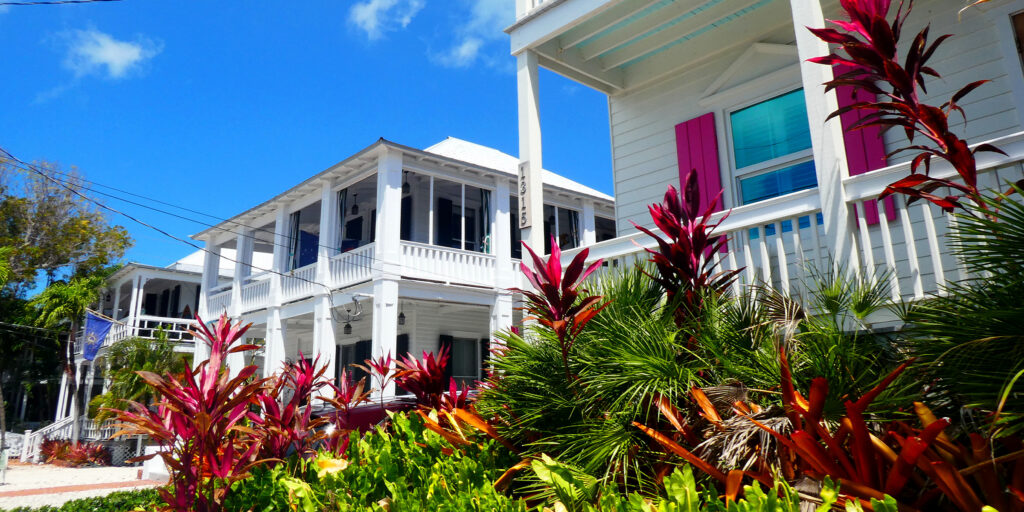
One of the biggest selling points of a hotel is what it physically looks like, so you don’t want to omit high-quality photos from your design. This means showing as many aspects as possible from the individual rooms, amenities, front desk, outdoor space, and everything in between. Such attention to detail is crucial in graphic design for hospitality brands, ensuring potential guests have no question as to what their stay will look like once they arrive. Accompanying the photos, the website should include detailed descriptions as well as the benefits and unique selling points. If your hotel is used for events, weddings, or other activities, these should have designated pages and additional details outlined for each one so users can go directly to these pages to learn more.
Effective & Highly Visible Call to Actions
When a user has made their decision to select your hotel, you need to ensure they can do so as easily as possible. Including call to actions throughout your content in highly visible spaces, like above the fold on your homepage, and high traffic pages is key. Exploring your website is the first impression of your hotel before your guests ever walk through the door: let’s make sure it’s a positive experience!
Highlight Your Special Deals & Promotions
Do you have packages or special discounts when booking directly through your website? Any type of promotions that may be going on should be highlighted on your homepage in a very prominent spot. There should also be a landing page for these deals and included in your main navigation, so users are able to find them no matter where they land on the site. For example, you could offer complimentary goodies upon arrival, upgraded room service, or other rewards that will entice people to stay on your site as opposed to booking through a third party.
Seamless Booking & Support Functionality
Once a user is ready to choose a hotel, it’s vital that the process is straightforward and frustration-free. The reservation system you incorporate into the site should be free of bugs and allow users to book a stay quickly. If you lose them during this process, it is unlikely they will stick around to troubleshoot it. Instead, they will find another website that functions smoother and therefore cause you to miss out on this valuable lead.
Additionally, having live chat and support features that allow people to reach a representative (or bot) with questions will give users more peace of mind when booking with your hotel. It’s also important to regularly maintain these features to ensure they function reliably and without interruption.
Easy to Use No Matter the Device or Browser
Usability is critical because, many times, people who are trying to research or book a hotel are on the go. They are not always going to be visiting your website from the same device or directly on their desktop computer. They should have the same experience no matter which device they use to ensure they don’t get frustrated and click away. This goes for loading speed, mobile menu functionality, and overall information presentation.
Feature Testimonials & Client Reviews
Having social proof and client feedback is proof that your hotel is worth choosing over the competition. Including client reviews throughout your site, along with content creation services, provides a connection to prospective users, allowing for a positive perspective on why they should choose you. You don’t have to specifically create a feedback form for your website either. Using proper development tools, you can pull comments from Google reviews or other major applications to feature across your site pages.
Alternatively, any notable achievements or awards your hotel has received are assets to be displayed for users. Many major organizations like Trip Advisor, Yelp, etc., provide specialty badges that can easily be presented for clients to see the appeal of your brand. Adding these to your own hotel website is a guaranteed way to gain more recognition across platforms.
Our Recommendations for Independent/Boutique Hotels
A solid budget for branding, hospitality website design and marketing is essential to independent or boutique hotels. You have the opportunity to think beyond the standard website used by larger franchises. Consider what your hotel has to offer, such as your staff’s hospitality practices, notable aspects of your building or specific location, and events/promotions to look out for. Highlighting your unique elements helps you stand out from the rest.
Even if your hotel is affiliated with a larger franchise or broader corporations, that should not deter you from putting in extra marketing efforts. Just because they are part of a larger network doesn’t mean they shouldn’t have their website improved. Your brand deserves some TLC, too.
Not every hotel can invest in broad management or design from larger companies. Not every agency is equipped to handle the work needed to promote a small business. Finding the right team to design or re-design your website can be a tedious task. The ideal move involves researching small business-friendly agencies like us that specialize in preparing the first step to making your vision a reality.
An Agency That Works for You
An outstanding hotel website involves a dedicated agency to elevate it beyond a simple “look good” piece. You want a company that’s reliable, adaptable, and will communicate with you through every step of the process. Our team at BrandingCup has the experience and know-how to make your vision into the website you need. Contact us today to get started– after all, your brand deserves it.